Plan a month or longer in Bali: compare coworking in Canggu, Uluwatu, Ubud and Sanur, check E33G visa requirements and budget for a workable rental home.
Coworking and official information checked . Confirm current details with the linked source.
The short answer
Build your Bali stay around permitted work, reliable workspace and a realistic total budget. Compare coworking near your rental, test the home’s internet and check the E33G remote-work route with Indonesian Immigration. CHB offers accommodation for one month or longer; a rental does not itself give permission to work.
1. What is Bali’s digital nomad visa?
“Digital nomad visa” is a common search term. Indonesian Immigration lists E33G for remote work performed for a company outside Indonesia. Its published guidance describes a one-year stay and asks for an overseas employment agreement and proof of at least US$60,000 annual income. Ngurah Rai Immigration also lists a remote-work contract and income evidence in its remote-worker requirements.
The published E33G checklist also includes passport, photograph, CV, itinerary and financial evidence. Recheck the current eVisa portal for the complete document list, duration options, fees, application location and extension rules before applying. Entry validity and the permitted length of stay are different dates.
Freelancers, business owners and people with mixed overseas and Indonesian clients should ask Immigration or a qualified adviser how their actual activity fits. Do not assume that working online, holding a tourist visa or paying a coworking membership automatically permits the work. Get the right answer before committing to a long stay.
Sources: Indonesian Immigration: E33G remote-work visa requirements · Ngurah Rai Immigration: remote-worker and student services · Indonesian Immigration: official visa portal
2. Choose an area around your working week
Start with calls, working hours and the places you will use regularly. Canggu and nearby Pererenan or Umalas may suit a routine built around the Canggu coworking options. Ubud offers an inland base with workspaces around Nyuh Kuning and Penestanan. Sanur is another option if its workspace and coastal setting fit your daily life. Uluwatu is worth comparing for a south-Bali routine.
These are different bases, not interchangeable neighbourhoods. Verify the actual address and route between the villa, workspace and daily essentials. A location described as “near Canggu” can still involve a journey you would not want to make twice a day. Check noise, building work, road access and transport after dark.
Try the workspace during your real working hours before buying a long membership. A social atmosphere can be useful for meeting people but unsuitable for confidential calls. Decide whether you need a quiet desk, a call booth, a dedicated workstation or simply a reliable backup to working at home.
3. Coworking spaces to compare
These are examples from operators’ own pages checked on 25 October 2026, not a ranked list or CHB partnerships. Prices below refer to workspace only. Confirm the branch, taxes, current package and access rules directly before paying; facilities and plan names can change.
| Workspace | Published example or offering | What to confirm |
|---|---|---|
| BWork Canggu | One-month Unlimited: Rp3,850,000 on its membership page. | Call-room allowance, exact access hours, current branch-sharing rules and total payable. |
| BWork Uluwatu | The operator has a separate Uluwatu membership page. | Current branch address and package; do not assume every Canggu entitlement applies. |
| Outpost Ubud Nyuh Kuning | Monthly, dedicated-desk and limited-hour options; its page also lists Ubud Penestanan. | Current IDR quote, branch access and private-booth hours; check any promotion’s expiry. |
| Livit Hub, Sanur | Basic monthly: Rp2,250,000; Pro monthly: Rp4,875,000, advertised inclusive of VAT. | Basic covers café and rooftop areas; check whether your chosen plan includes the indoor desk and call facilities you need. |
Sources: BWork Canggu: membership and facilities · BWork Uluwatu: membership and facilities · Outpost: Ubud Nyuh Kuning coworking · Livit Hub Sanur: coworking plans
4. What does a month in Bali cost?
There is no single digital-nomad budget. Rent, sharing, air-conditioning use, food habits, coworking and transport can change the total substantially. Compare the same rental period and included services. A whole-villa monthly price is not a per-person room rate, and an annual price divided by twelve does not guarantee monthly payments.
The example below uses a hypothetical Rp18,000,000 monthly home and the published BWork Canggu monthly desk price above. The other amounts are adjustable planning assumptions, not measured market averages or offers. It shows why a rental budget and an all-in living budget are different. Obtain quotes for your own dates before relying on it.
| Budget line | Example allocation | Basis |
|---|---|---|
| Home rental | Rp18,000,000 | Hypothetical whole-home rent; replace with an actual quote. |
| Coworking | Rp3,850,000 | BWork Canggu published one-month Unlimited price checked 25 October 2026. |
| Food and groceries | Rp4,000,000 | Planning assumption. |
| Utilities and mobile backup | Rp1,000,000 | Planning assumption; avoid counting services already included in rent. |
| Transport | Rp1,500,000 | Planning assumption for your actual routine. |
| Personal spending | Rp1,500,000 | Planning assumption for leisure, laundry and other extras. |
| Illustrative monthly total | Rp29,850,000 | Excludes flights, visa and adviser fees, insurance, tax, deposit and emergency reserve. |
5. Check the villa as a workplace
Ask for a recent internet test from the room where you intend to work, at a relevant time of day. Download speed alone is not enough: discuss upload speed, video-call stability, router location, shared use and what happens when the connection fails. A published “Wi-Fi” feature does not certify suitability for your job.
Check mobile coverage inside the home and whether your phone and plan can provide a backup connection. Ask the host about power interruptions and any backup arrangements. Identify a nearby workspace you could use if home internet or electricity is unavailable, and allow for the travel and day-pass cost.
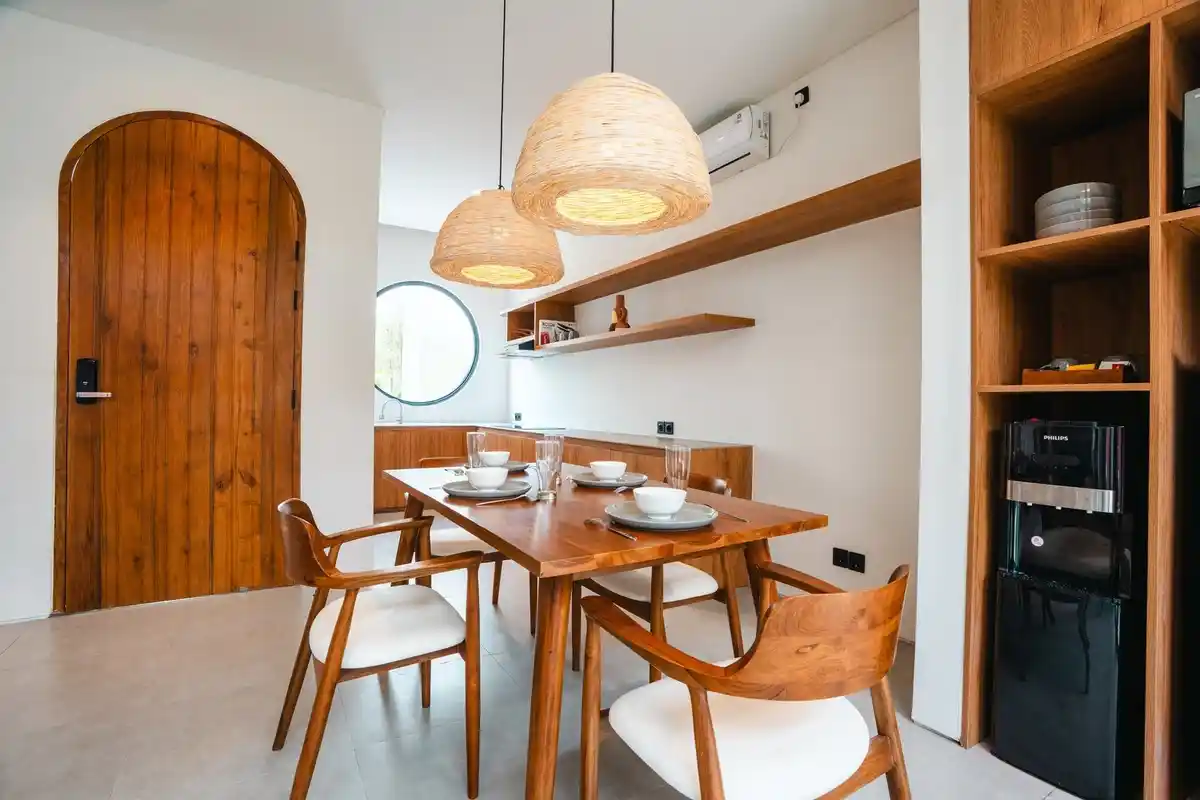
Inspect the actual desk, chair, sockets, lighting, heat and background noise. A dining table photographed in a villa is not an ergonomic office guarantee. If you work late, agree quiet-hour expectations with housemates and neighbours and check that late calls will not disturb sleeping rooms.
Use your employer’s required security tools and ask whether working from Indonesia is approved. For sensitive work, check private-call space and screen visibility. Match your meeting calendar to Bali time, UTC+8, and recheck the overlap when colleagues’ countries change their clocks.
6. Separate immigration, tax and employer approval
Treat the immigration route, your employer or client agreement, tax position and insurance as separate decisions. Ask a qualified tax adviser about obligations in Indonesia and your home country for the actual length and nature of your stay. A visa approval should not be treated as a personal tax assessment.
Get written employer approval where relevant, including permitted work locations, data access and any limits on time overseas. If you plan to sell services locally, hire staff, run events, create commercial content or set up a business, describe those activities when seeking advice rather than assuming they are covered by a remote-work label.
Check insurance for the full duration and the activities you expect to do, including any driving. Keep an emergency reserve separate from rent and deposits. CHB can help with accommodation questions; visa, tax and employment decisions need the appropriate authority or professional.
Sources: Indonesian Immigration: official visa portal · Indonesian Immigration: E33G remote-work visa requirements
7. Build a sustainable daily routine
Arrange the first working week with room for setup: test connectivity, try a workspace, learn the local food and laundry options and check your transport route. Put movement and meals into the diary rather than relying on a holiday schedule while maintaining a full workload.
Coworking events, classes and local activities can help you meet people. Check the current event calendar and any membership requirement. Respect that shared workspaces are workplaces: use call areas, ask before taking photos and avoid turning introductions into unsolicited sales pitches.
Choose transport you can legally and safely use. Check licence and insurance requirements before renting a scooter; compare ride-hailing or a driver for the journeys that matter. Plan around rain and local events, and confirm Nyepi arrangements with the host and workplace before scheduling critical meetings.
Sources: Australian Government: Indonesia driving and motorcycle advice · Indonesia Travel: understanding Nyepi
8. Find a monthly or longer rental with CHB
Tell us your dates, total housing budget, number of occupants, preferred workspaces and the features your working day requires. Ask for confirmation of internet arrangements, a usable workspace, noise, electricity charges and minimum stay. We can help shortlist published homes and arrange viewings; we do not certify that every listing is work-ready.
CHB offers stays of one month or longer, and some homes require longer. Confirm the rent, deposit, payment timing, included services and cancellation or extension terms in writing. Choose a commitment that fits your confirmed work and immigration plans, with current availability checked for your dates.
Your next steps
- Confirm the visa route for your actual work activity.
- Compare workspace access, call rooms and total membership costs.
- Test the home internet and arrange a backup.
- Budget for the full month plus upfront costs.
- Confirm a CHB rental of one month or longer in writing.
General planning guidance, not legal, immigration or financial advice. Requirements, services and availability can change; confirm the details relevant to your circumstances.
Keep exploring
Studying in Bali: universities, student life and living costs
Compare six Bali universities and institutes, plan around your campus, understand student visa steps and build a realistic monthly living budget.
Bali monthly villas up to Rp30 million: a practical shortlist
Compare up to six published CHB villas at Rp30 million per month or less, with one-month minimum stays, clear selection criteria and extra costs to check.
Canggu, Pererenan or Umalas? Compare your Bali rental base
Compare Canggu, Pererenan and Umalas for a longer stay by looking at your actual route, nearby amenities, beach access and the rental itself.
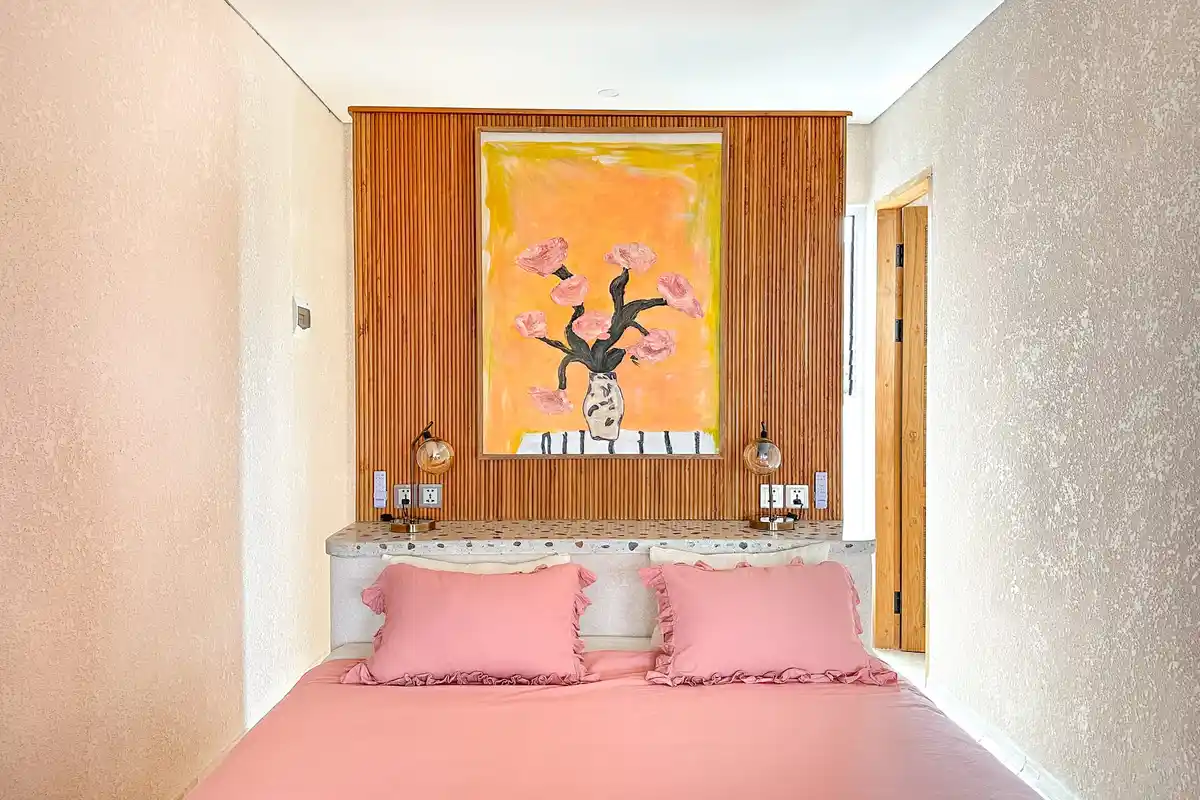
Monthly or yearly villa rental in Bali: what to compare
Compare monthly and yearly Bali villa rentals with a clear view of payment timing, inclusions, deposits, flexibility and total commitment.